
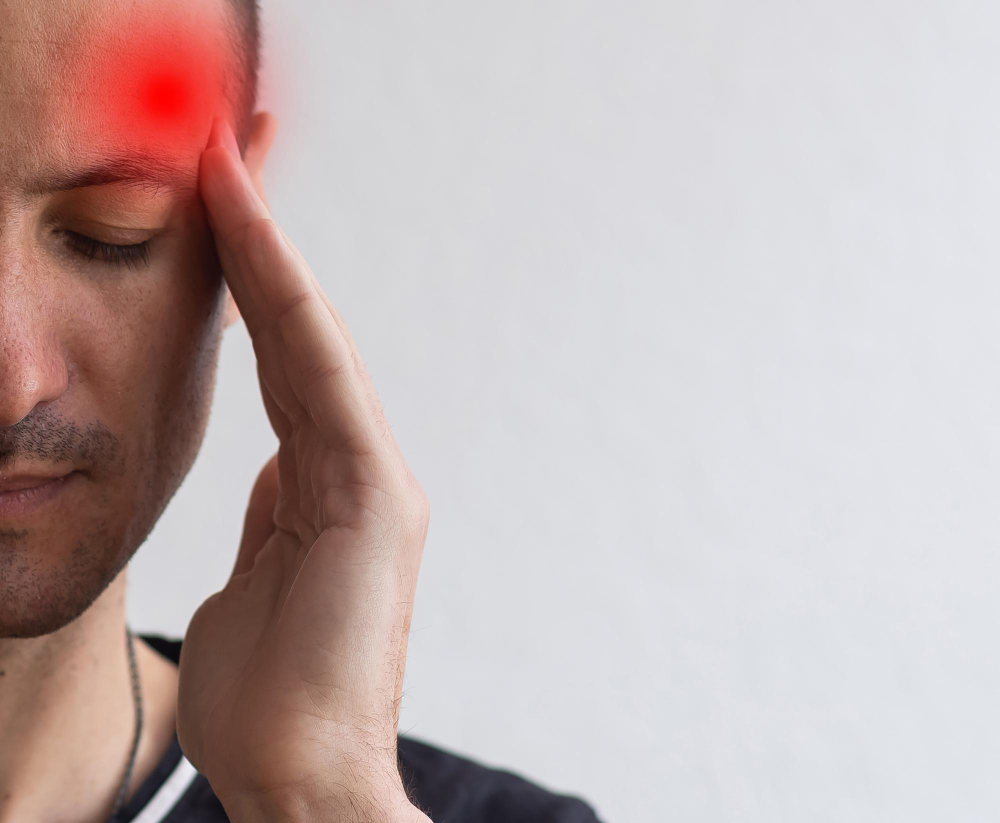
 Headaches that repeatedly return to the same spot are often driven by mechanical irritation in the upper cervical spine, not just stress, dehydration, or muscle tension.
When the C1, C2, and C3 vertebrae in the upper neck lose proper alignment or movement, they can irritate nerves that refer pain into the forehead, temples, or behind the eyes. This pattern is known as a cervicogenic headache.
Many people attempt to manage these headaches with medication, massage, or rest. While these approaches may temporarily dull the pain signal, they often do not address the underlying joint dysfunction that is triggering the headache in the first place.
How the Neck Can Cause Headaches
For many individuals, recurring headache pain actually begins at the base of the skull and gradually travels upward toward the head. Because of this pattern, many assume they are experiencing a typical tension headache.
However, cervicogenic headaches are different.
These headaches are caused by joint restriction and neurological irritation within the upper cervical spine. When the joints in this area stop moving properly, nearby nerves can become irritated and refer pain into different regions of the head.
Muscle tightness in the neck and shoulders is often present, but in many cases it is simply a protective response to the underlying mechanical problem.
If the joint dysfunction is not addressed, the cycle often continues and the headaches return.
Why Upper Cervical Mechanics Matter
The C1, C2, and C3 vertebrae sit close to the brainstem and play an important role in:
- Supporting the head
- Maintaining posture
- Protecting nerves that travel between the brain and body
When these vertebrae lose proper motion or alignment, they can affect:
- Suboccipital muscles at the base of the skull
- Nerve pathways that refer pain into the head
- Overall neck posture and stability
This is why individuals with cervicogenic headaches often experience symptoms that begin in the neck before spreading upward.
Four Essentials for Evaluating Neck-Related Headaches
When determining whether headaches may be cervicogenic in nature, several key factors should be assessed.
1. Upper Cervical Joint Dysfunction
Restricted movement in the C1–C3 vertebrae can irritate nearby nerves and create recurring headache patterns.
2. Suboccipital Muscle Tension
Muscles at the base of the skull often tighten to protect irritated joints, which can increase pressure and pain in the head.
3. Past Trauma
Previous injuries such as whiplash, sports collisions, or falls can alter upper cervical mechanics and lead to chronic headaches years later.
4. Forward Head Posture
Modern posture habits, including prolonged phone or computer use, place increased stress on the upper cervical spine and surrounding muscles.
Why Medication and Massage May Not Provide Lasting Relief
Medication and massage can sometimes help reduce symptoms temporarily. However, these treatments typically address the pain signal rather than the source of the problem.
If the underlying mechanical dysfunction in the upper cervical spine remains unchanged, symptoms often return.
True relief from cervicogenic headaches usually requires restoring proper motion and alignment to the joints of the neck, allowing irritated nerves and surrounding muscles to calm down.
Treating the Source Rather Than the Symptoms
When headache pain originates from the cervical spine, effective treatment focuses on identifying and correcting the structural and biomechanical issues within the neck.
This approach aims to:
- Restore normal joint movement
- Reduce nerve irritation
- Decrease protective muscle tension
- Improve posture and stability
By addressing the root cause, patients often experience more lasting relief compared to simply masking symptoms.
Watch the Video: Understanding Neck-Related Headaches
In this video, the connection between neck pain and recurring headaches is explained through upper cervical biomechanics.
You will learn:
- How upper cervical dysfunction can cause recurring cervicogenic headache patterns
- Why medication and massage may fail to provide lasting headache relief
- What clinical markers to look for when choosing a provider for neck-related headaches
Frequently Asked Questions
What is a cervicogenic headache?
A cervicogenic headache is a type of headache caused by dysfunction in the cervical spine, particularly the upper neck.
Can neck pain cause headache symptoms in the forehead or temples?
Yes. Irritated joints and nerves in the upper cervical spine can refer pain upward into the forehead, temples, or behind the eyes.
Why do tension headaches keep coming back?
If joint restriction in the neck is not corrected, muscle tension and headache symptoms may continue to return.
How do you relieve a headache caused by the neck?
Lasting relief often requires correcting the mechanical dysfunction in the upper cervical spine, rather than only treating muscle tightness.
What is the difference between tension headaches and cervicogenic headaches?
Tension headaches are typically muscle-related, while cervicogenic headaches originate from joint and nerve dysfunction within the neck.